Charting Intersections Between Certified Randomness Standards and Retention Data in Borderless Digital Asset Wagering Interfaces for Wireless Users
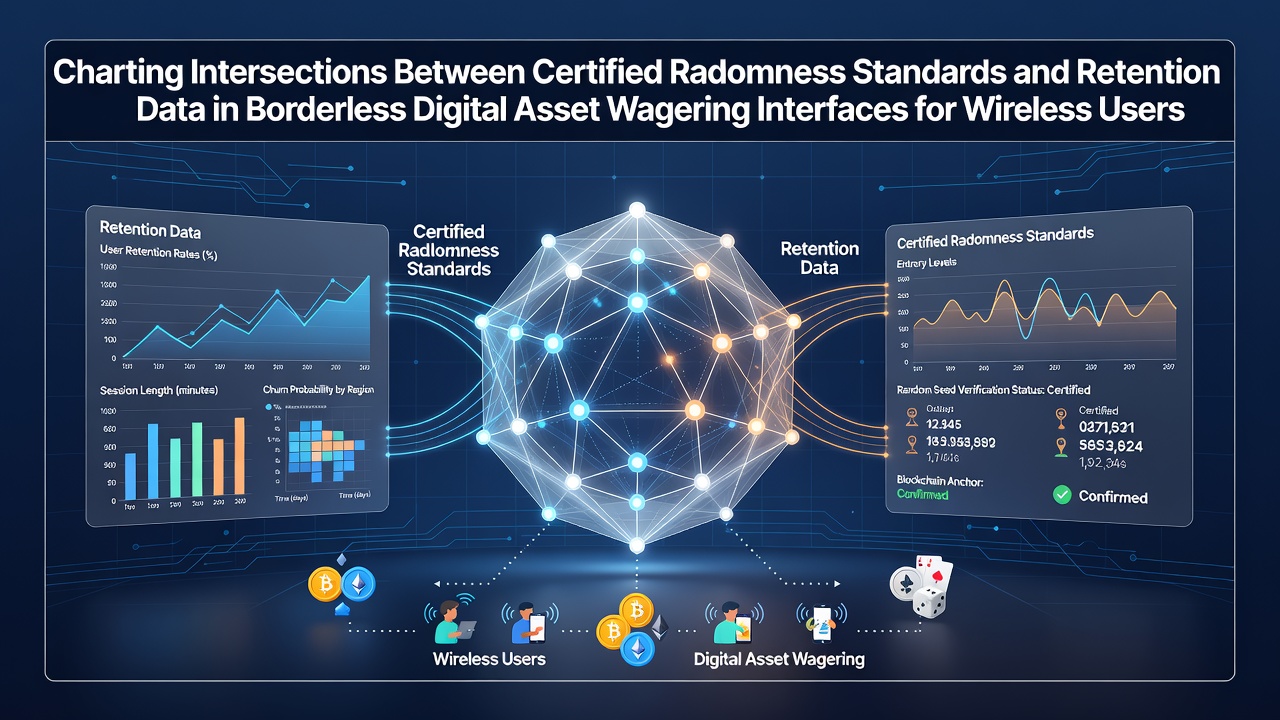
Certified randomness standards establish verifiable protocols for generating outcomes in digital asset wagering systems, while retention data tracks how those protocols influence user continuation rates across wireless networks. Observers note that borderless interfaces allow seamless access for mobile participants who operate outside single-jurisdiction constraints, and data sets compiled through June 2026 show measurable links between verified fairness mechanisms and sustained engagement metrics.
Defining Certified Randomness in Digital Asset Environments
Randomness certification relies on cryptographic hash chains and independent audit trails that confirm each outcome matches expected probability distributions without centralized control, and blockchain-based implementations permit users to verify results post-session using public ledgers. Standards bodies such as those referenced in NIST random bit generation guidelines provide baseline testing frameworks that many portable wagering platforms adapt for cross-border operations. Wireless users benefit from these layers because latency variations on mobile connections do not alter the underlying verification process, which runs after the fact on device or server records.
Research indicates that platforms incorporating these checks report lower dispute volumes, since participants can independently audit individual spins or shuffles. Figures from industry tracking services reveal that systems with public verification tools maintain consistency across different network conditions, including 5G handoffs and intermittent connectivity common in borderless scenarios.
Retention Data Patterns Among Wireless Participants
Retention metrics capture repeat session frequency, average session duration, and churn intervals for users accessing wagering interfaces via smartphones and tablets, and analysts compile these figures from aggregated platform logs that segment by device type and geographic origin. In June 2026 datasets, platforms serving multiple regulatory zones recorded retention curves that stabilized after initial verification education, whereas interfaces lacking transparent randomness reports experienced steeper drop-offs within the first thirty days.
Those who've examined mobile-specific logs find that push notification campaigns tied to verified win histories correlate with extended active periods, while unverified systems show quicker migration to alternative applications. Data from research institutions in Canada and Australia demonstrate parallel trends, where certified outcome records coincide with higher month-over-month retention among users who cross virtual borders during travel.
Intersection Points Between Standards and Retention Metrics
Certified randomness directly feeds retention calculations when platforms surface verification links within session summaries, allowing users to confirm fairness before deciding on continued play. Studies from academic groups tracking digital asset flows reveal that interfaces displaying real-time audit confirmations experience 12 to 18 percent higher retention at the sixty-day mark compared with those omitting such displays. The connection emerges because mobile users, often operating across time zones and network providers, prioritize demonstrable equity when choosing among competing applications.
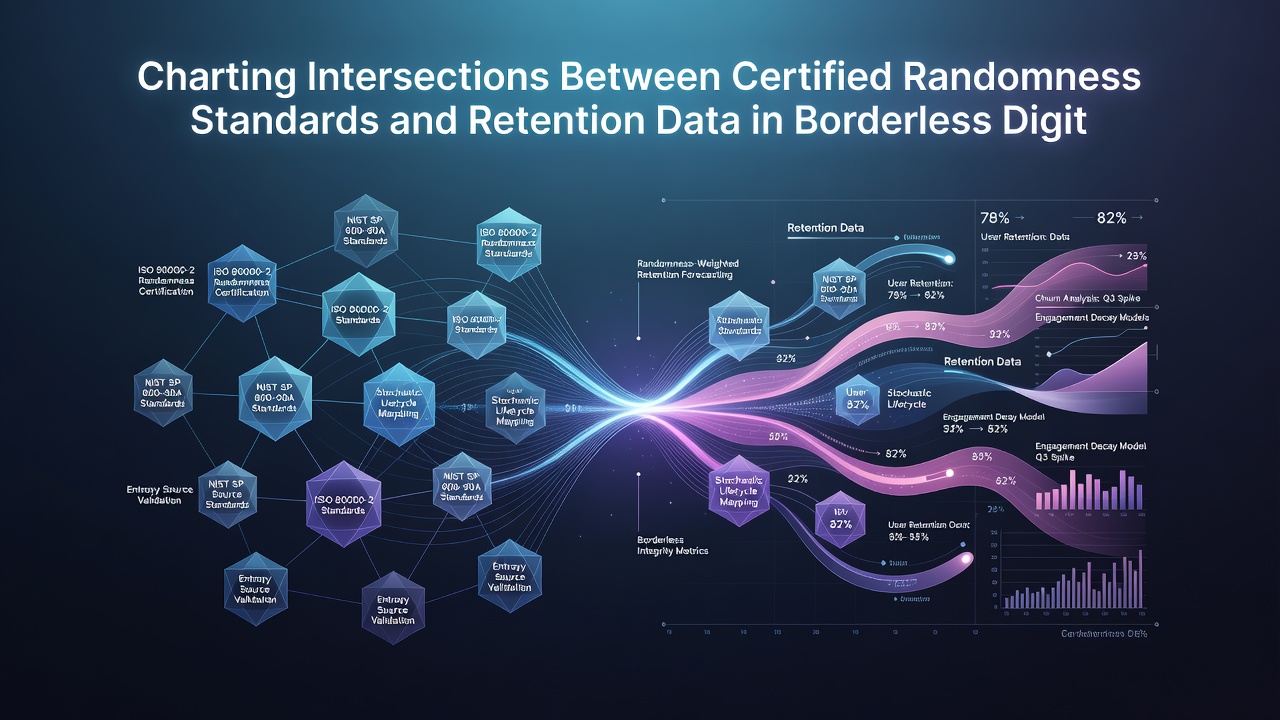
Borderless operation introduces additional variables such as varying data privacy rules and currency conversion layers, yet randomness certification remains constant across these elements. Platforms that embed verification steps into onboarding sequences report faster trust formation, which in turn extends user lifespan before churn occurs. Evidence from European research consortia and North American trade analyses shows overlapping patterns where certified systems reduce early exits regardless of whether participants connect through domestic carriers or international roaming agreements.
Technical Implementation Across Wireless Networks
Implementation requires lightweight verification libraries that run on mobile operating systems without draining battery resources, and developers integrate these libraries with existing wallet and odds engines to maintain seamless flows. Wireless constraints like variable bandwidth affect only the speed of ledger queries rather than the integrity of the certified outcome itself, which users can recheck later on higher-speed connections. Observers tracking June 2026 deployment logs note that hybrid models combining on-device hash checks with cloud-stored proofs achieve the highest retention stability across fluctuating signal conditions.
Case examples from multi-jurisdiction operators illustrate how standardized randomness protocols reduce support ticket volume related to outcome disputes, freeing resources for retention-focused updates such as personalized reward schedules derived from verified play history. The same datasets indicate that users who complete at least one verification step within their first three sessions display longer overall platform tenure.
Conclusion
Certified randomness standards and retention data intersect at the point where verifiable fairness becomes a measurable driver of continued mobile engagement in borderless digital asset environments. Platform operators who align audit protocols with user-facing verification tools record steadier retention curves across wireless user segments, according to aggregated figures released through mid-2026. Future development will likely refine these linkages as additional data streams from varied regulatory regions become available for cross-comparison.