Cross-Border Digital Wallet Innovations Reshape Live Table Game Access in Smartphone Sports Wagering Systems
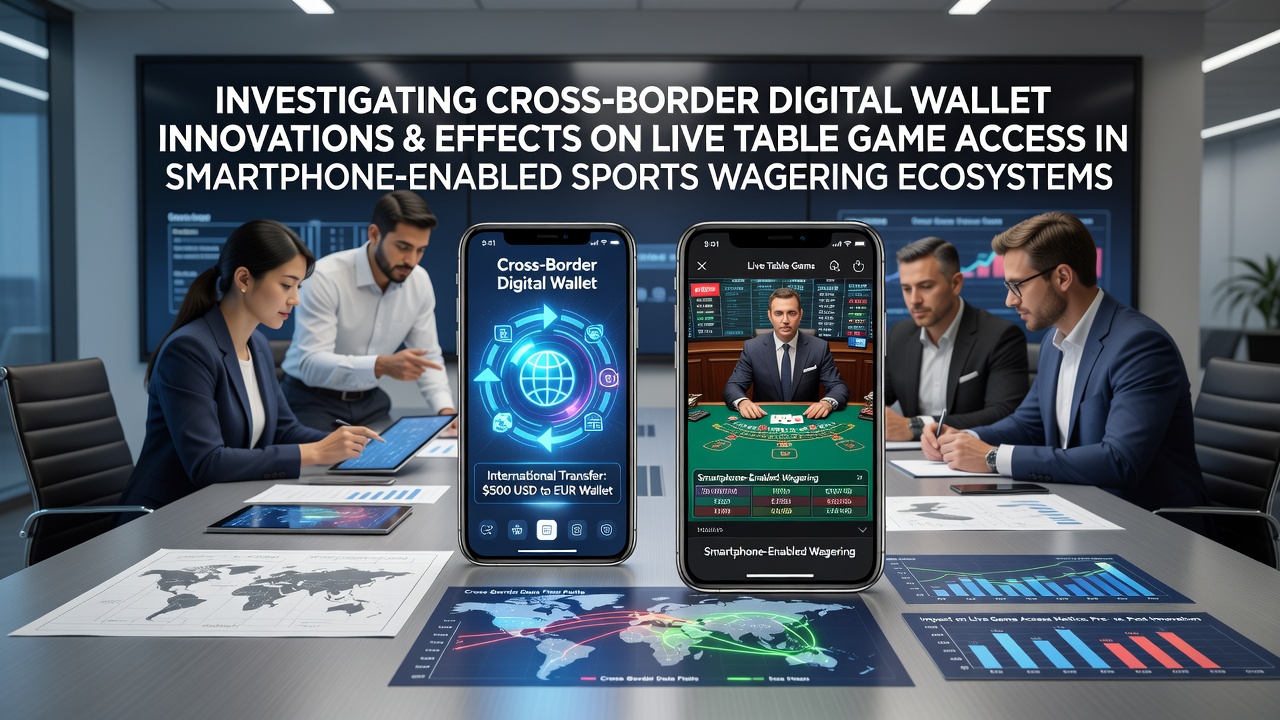
Digital wallet technologies that operate across national borders have expanded rapidly in recent years, and observers note their growing role in mobile sports wagering platforms where live table games sit alongside betting markets. These systems allow users to move funds between accounts held in different jurisdictions without traditional banking intermediaries, which creates new pathways for accessing dealer-hosted blackjack, roulette, and baccarat sessions through smartphone apps.
Technical Foundations of Cross-Border Wallets in Wagering Apps
Many operators now embed multi-currency digital wallet modules directly into their mobile applications, and data from industry reports show that transaction speeds have improved to under three seconds for most cross-border transfers. These modules support stablecoins and other tokenized assets that maintain consistent value during currency fluctuations, while compliance layers automatically apply jurisdiction-specific rules before funds reach a live dealer table. Researchers at several academic institutions have documented how application programming interfaces connect these wallets to game servers in real time, enabling players to fund sessions without leaving the sports wagering interface.
Regulatory Variations Across Regions
Authorities in different markets apply distinct standards to these wallet functions. The Nevada Gaming Control Board requires operators to maintain separate ledgers for wallet activity tied to live dealer products, whereas regulators in Australia have focused on transaction reporting thresholds that trigger when cross-border transfers exceed certain daily limits. Singapore's Casino Regulatory Authority has issued guidelines that require identity verification steps before users can route funds from overseas wallets into local mobile platforms, and these rules took effect ahead of June 2026 updates to licensing conditions.
Operators that serve multiple regions must therefore maintain parallel compliance engines, and figures from payment processor audits reveal that such systems now handle millions of micro-transactions each month across sports betting and live table environments.
Impact on Live Table Game Participation Patterns
Access to live dealer tables through smartphone sports apps has shifted as wallet integration deepens. Data indicates that users who maintain balances in cross-border digital wallets initiate live table sessions at higher rates than those relying solely on domestic payment rails, particularly during international sporting events when time zones align with dealer availability in offshore studios. One study released by a European research consortium found correlations between wallet-enabled instant funding and extended play durations at interactive roulette and blackjack tables embedded within the same application.
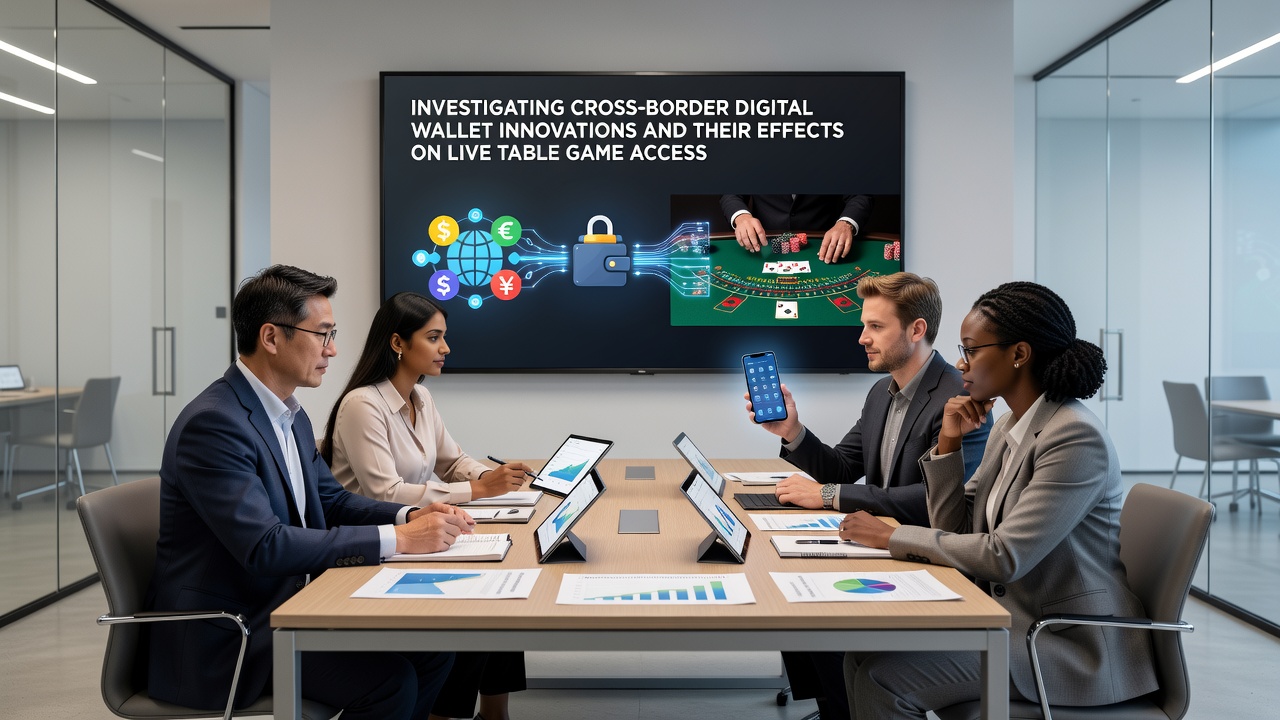
Platform analytics also show that withdrawal friction decreases when operators permit seamless movement of winnings back into cross-border wallets, and this pattern holds across both major sports markets and niche table game offerings. Yet regulatory observers continue to track whether these efficiencies create new risk vectors around responsible gambling controls that were originally designed for slower payment methods.
Security and Verification Protocols
Wallet providers have introduced layered authentication that combines device biometrics with blockchain-based transaction hashes, and gaming operators integrate these checks before routing funds to live dealer streams. Reports from independent testing laboratories confirm that such protocols reduce unauthorized access incidents, while still allowing rapid deposits that keep pace with fast-moving sports odds and simultaneous table game rounds. In June 2026 several major platforms rolled out enhanced wallet-to-game server encryption standards that meet updated technical requirements from multiple licensing bodies.
Case Examples from Operating Markets
Platforms licensed in multiple Caribbean and European jurisdictions have documented increased table game traffic originating from users whose primary funding source sits in digital wallets domiciled elsewhere. These cases illustrate how the same smartphone application can present sports wagering markets and live dealer options without requiring separate funding steps for each vertical. Industry associations have published aggregated statistics showing that cross-border wallet volume grew steadily through early 2026, with live table contributions representing a measurable share of that increase.
Academic papers examining user behavior further highlight that participants often maintain smaller, more frequent wallet transfers when engaging with live tables compared with traditional bank transfers, which aligns with the continuous nature of both sports betting and dealer-hosted games.
Future Infrastructure Developments
Engineers working on next-generation wallet standards are exploring interoperability frameworks that would allow direct settlement between different blockchain networks used by wagering operators. These efforts could further streamline access to live table games for users who move between sports betting and dealer formats within a single session. Government agencies in several jurisdictions continue to evaluate how such developments intersect with existing anti-money laundering frameworks, and draft consultation papers released in 2026 outline potential reporting enhancements tied to cross-border activity.
Conclusion
Cross-border digital wallet innovations continue to influence how smartphone users reach live table games inside sports wagering ecosystems, with measurable effects on transaction speed, participation frequency, and compliance requirements. Regulatory bodies across regions maintain distinct approaches, while technical standards evolve to support secure, real-time funding. Data collected through 2026 reflects these ongoing adjustments as operators and wallet providers refine their systems to meet both market demands and oversight expectations.