Digital Currency Channels Fueling Zero-Cost Entry Incentives for Portable Slot and Table Experiences

Digital currency channels have opened new pathways for operators to deliver no-deposit incentives directly to mobile users who play slots and table games on portable devices, and these systems rely on blockchain ledgers that process micro-transactions without traditional banking delays. Players receive credits or free spins upon registration, then access games through apps that support cryptocurrencies such as Bitcoin, Ethereum, or stablecoins, while the underlying technology records every transfer on a public chain that operators can audit in real time. Data from industry trackers in early 2026 shows mobile gaming accounts for over 65 percent of total online casino activity in regulated North American markets, and zero-cost entry offers have become a standard acquisition tool because they lower the barrier for first-time users who want to test slot reels or table layouts without committing funds upfront.
How Blockchain Enables Instant Incentive Delivery
Operators integrate wallet-connect features that let users claim bonuses within seconds after creating an account, and the same channels handle subsequent deposits or withdrawals once players decide to add real value to their sessions. Research from the Canadian Gaming Association indicates that crypto-based bonuses reduce processing costs by up to 40 percent compared with credit-card promotions, while players benefit from near-instant settlement that keeps them engaged on smartphones or tablets. Table game experiences, including roulette and blackjack variants, also incorporate these incentives because smart-contract protocols can verify fair shuffle algorithms and award bonus chips automatically, and this automation removes manual review steps that once slowed down traditional bonus systems.
Stablecoin options have gained particular traction because they shield users from volatility during the brief window between claiming a zero-cost reward and converting it into actual wagers, and several platforms now list USDC or USDT pairs alongside native tokens. In May 2026, multiple North American operators reported that stablecoin bonus claims accounted for nearly half of all new mobile registrations, reflecting broader adoption trends tracked by regional gaming commissions in New Jersey and Ontario.
Mobile Portability Meets Zero-Cost Mechanics
Portable slot and table experiences benefit from responsive interfaces that scale across screen sizes, and digital currency channels complement this flexibility by allowing players to fund or receive incentives without leaving the app environment. One platform that launched an updated mobile suite in late 2025 introduced a feature where users scan a QR code to receive free spins funded through a partner exchange, and the process completes in under 30 seconds on both iOS and Android devices. Those who study mobile engagement metrics note that session lengths increase when players start with zero-cost credits because the initial risk-free period encourages exploration of multiple game types before any deposit occurs.
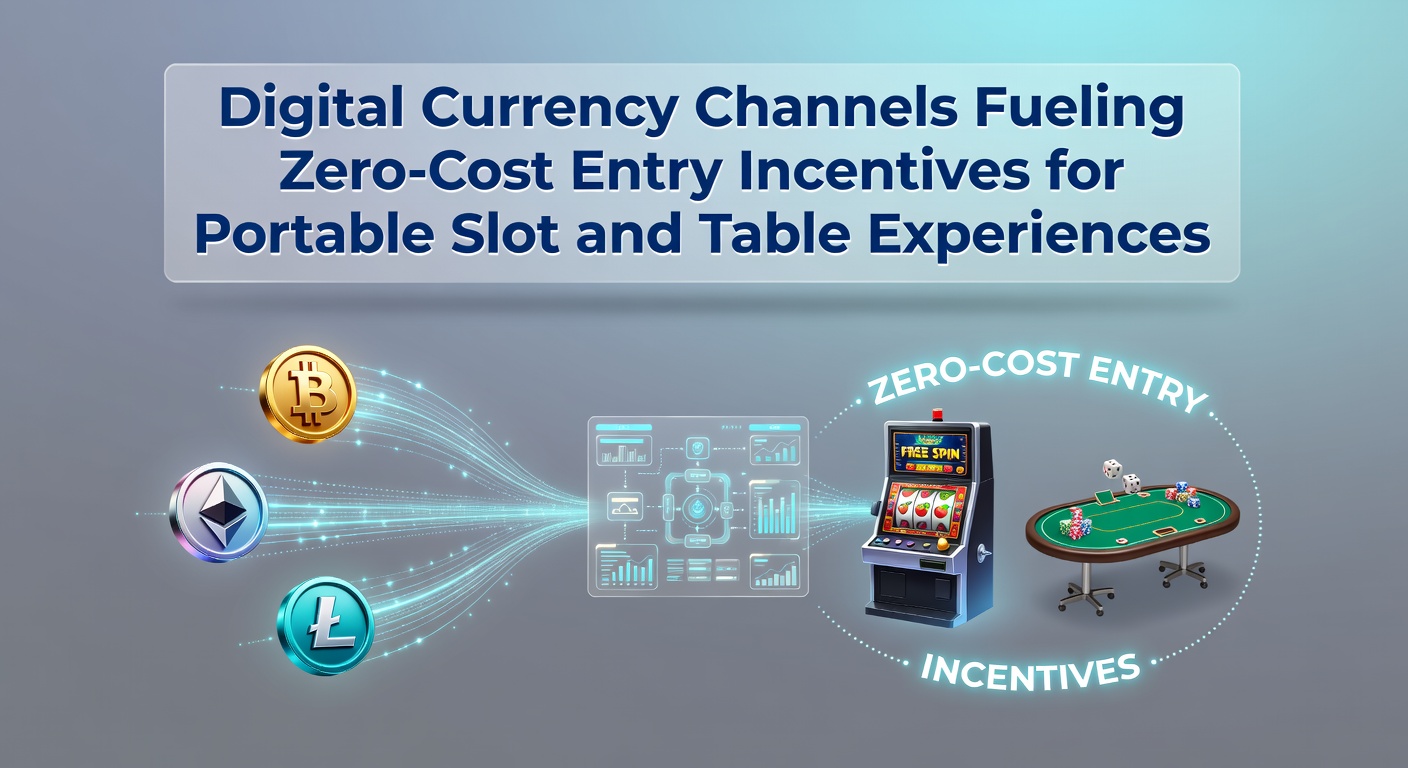
Table game providers have adapted live dealer streams to accept crypto tips and side bets, and some studios now display bonus multipliers that trigger automatically when a player uses a digital wallet address tied to an active promotion. This integration keeps everything within the portable interface, so users on tablets or phones never need to switch to desktop browsers to manage their incentives. Figures released by iGaming Ontario for the first quarter of 2026 reveal that mobile table game revenue rose 28 percent year-over-year, with a significant share attributed to promotions that began as no-deposit offers.
Regulatory and Security Considerations
Regulators in several jurisdictions require operators to maintain separate ledgers for bonus funds and player deposits, and blockchain transparency tools help satisfy these rules by providing immutable records of every credit movement. The National Council on Problem Gambling has highlighted the importance of clear disclosure when zero-cost incentives convert to real-money play, and many platforms now embed mandatory responsible-gaming pop-ups that appear after a set number of bonus rounds. Security protocols built into crypto wallets add another layer because private keys remain under user control, reducing the risk of centralized data breaches that have affected older payment processors.
Operators that accept digital currencies must still comply with anti-money-laundering checks, yet the speed of on-chain verification often allows quicker approval than traditional wire transfers, and this efficiency supports the rapid rollout of portable gaming campaigns. Observers note that jurisdictions such as Michigan and Pennsylvania have updated their technical standards to include crypto transaction logging requirements, ensuring that zero-cost entry offers remain traceable while players enjoy uninterrupted mobile sessions.
Conclusion
Digital currency channels continue to reshape how operators structure zero-cost incentives for mobile slot and table experiences, and the combination of instant settlement, transparent ledgers, and portable interfaces has created measurable growth in player acquisition across regulated markets. As adoption expands through 2026, the same mechanisms that deliver free spins or bonus chips today are expected to support additional game formats and regional payment preferences, while maintaining the security and compliance standards already in place.