How Approval Timelines for New Entertainment Venues Shape Reward Structures in Cross-Border Digital Platforms
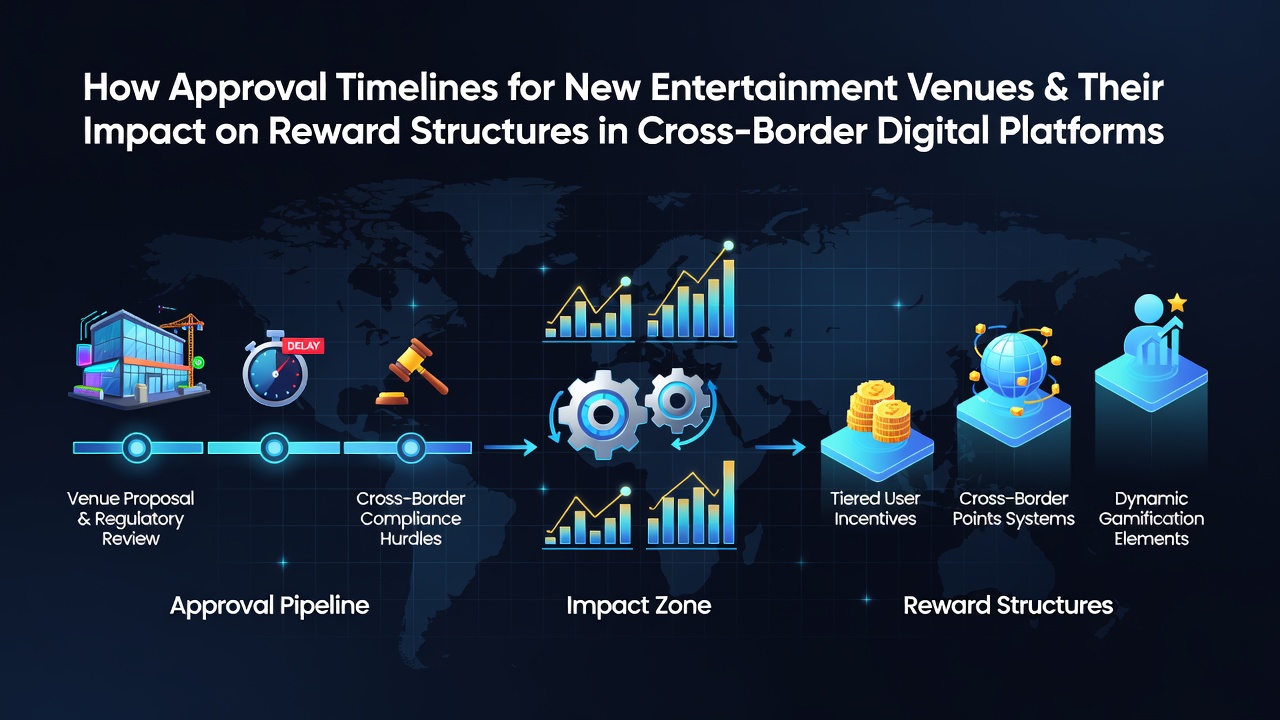
Approval timelines for new entertainment venues vary widely across jurisdictions and these variations directly influence how digital platforms design and distribute rewards to users in multiple countries. Research shows that lengthy permitting processes in some regions force operators to adjust bonus structures, loyalty programs, and promotional offers on their cross-border platforms to compensate for slower physical expansion. Data from regulatory filings indicate that when venue approvals stretch beyond 24 months, digital reward systems often incorporate higher-value virtual incentives to sustain user activity while physical sites remain in planning stages.
Regulatory Processes and Their Direct Effects
Local zoning reviews, environmental assessments, and licensing hearings determine how quickly new venues can open, and platforms monitor these steps closely because delays ripple through digital reward calculations. According to reports from the Australian Productivity Commission, extended approval periods in certain states lead operators to recalibrate deposit bonuses and cashback percentages on mobile platforms that serve international users. Those timelines create predictable patterns where platforms increase reward frequency during periods of regulatory uncertainty to maintain engagement across borders.
Cross-Border Platform Adjustments
Digital platforms that operate in multiple markets respond to venue approval delays by modifying reward structures in real time, and evidence from industry data reveals that operators shift emphasis toward virtual loyalty tiers when physical openings slow. In July 2026, several Canadian provincial regulators published updated processing statistics showing average approval times of 18 to 36 months for large-scale entertainment projects, prompting platforms to extend bonus validity periods for users in those regions. This adjustment helps maintain consistent user retention while physical construction schedules remain uncertain.
Observers note that platforms serving users in the European Union and North America frequently align reward release schedules with the slowest-moving approval jurisdictions, creating a unified structure that avoids market-specific disparities. Figures from the OECD gaming policy reviews demonstrate that such synchronization reduces administrative complexity while allowing operators to offer tiered rewards that scale according to the regulatory pace in each origin country.
Data Patterns Across Jurisdictions
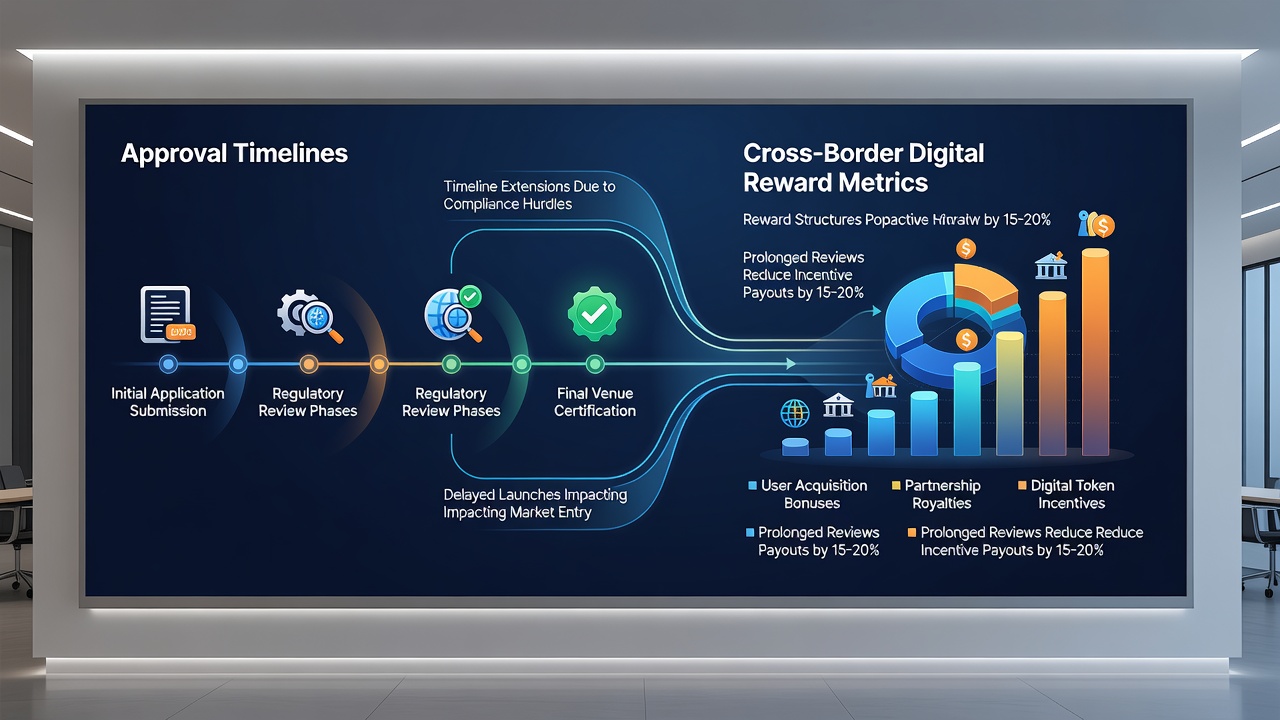
Statistical analysis of approval records from 2023 through mid-2026 illustrates clear correlations between regulatory duration and reward generosity on cross-border platforms. Platforms increase the number of free spins or bonus credits available to users from regions experiencing the longest delays, according to aggregated data compiled by academic researchers at the University of Nevada, Reno. These adjustments occur because operators seek to offset the absence of new physical venues that would otherwise generate additional promotional opportunities.
Yet the same datasets reveal that shorter approval timelines in certain Asian markets allow platforms to reduce digital reward values temporarily, since new venues open faster and create fresh user acquisition channels. This dynamic produces a balancing effect where reward structures fluctuate in response to the combined approval calendars of multiple countries rather than any single jurisdiction.
Industry Examples and Platform Responses
One operator managing platforms across the Americas and Europe adjusted its loyalty point accrual rates after provincial approvals in Canada extended by nine months during 2025, and internal reports show the change helped stabilize user activity levels. Similar patterns appear in data from Australian state regulators, where platforms serving cross-border users modified cashback percentages when venue licensing hearings encountered repeated postponements. These modifications follow documented formulas that tie reward multipliers directly to the average approval duration reported in each market.
Research indicates that platforms also factor in appeal processes and community opposition periods, which add further months to timelines and trigger additional reward recalibrations. The result is a system where users in slower-approval regions receive proportionally larger digital incentives to maintain platform activity until physical venues become operational.
Conclusion
Approval timelines for new entertainment venues establish measurable parameters that shape reward structures on cross-border digital platforms through predictable adjustments in bonus values, loyalty tiers, and promotional frequency. Data from multiple regulatory bodies and academic sources confirm that longer approval periods correlate with expanded digital reward offerings while shorter timelines permit more conservative structures. Platforms continue to monitor these timelines as primary inputs for reward planning, producing systems that adapt across jurisdictions based on documented regulatory pacing rather than fixed global standards.