How Emerging Digital Payment Pathways Connect Bonus Structures with Live Table and Machine Play on Handheld Devices
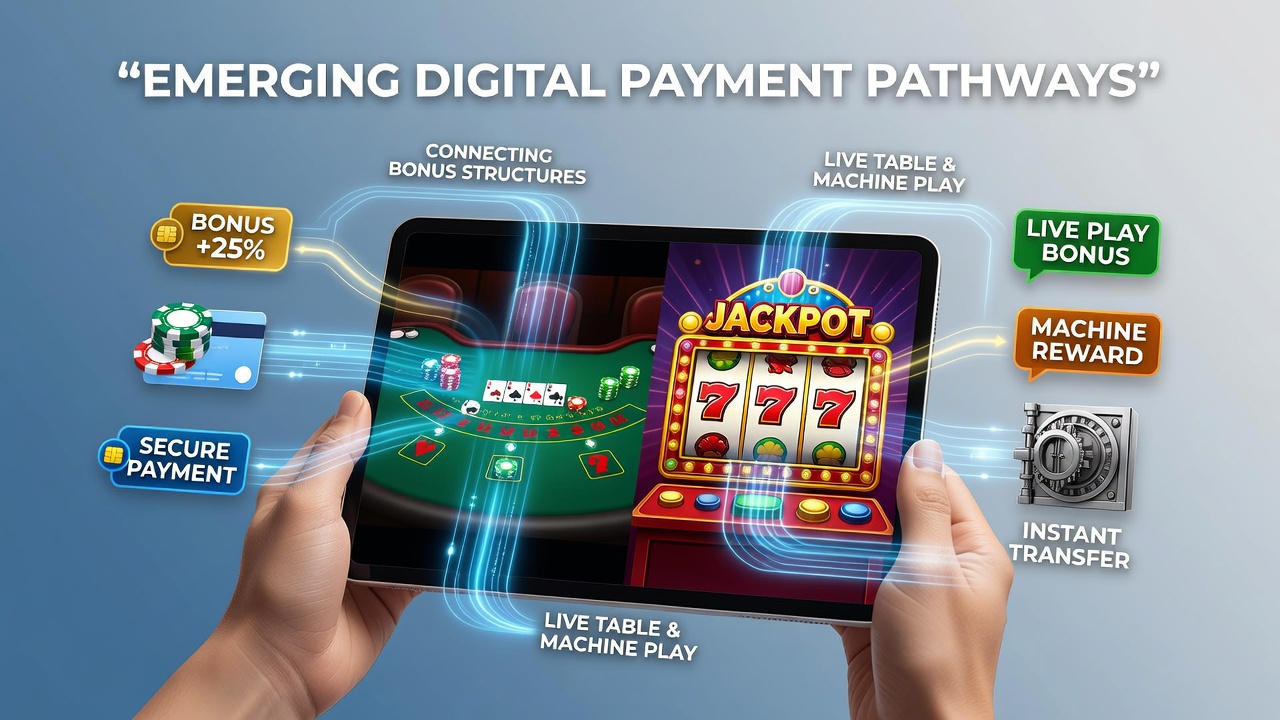
Digital payment pathways have expanded the ways operators link promotional credits directly to user accounts on handheld platforms, and this integration allows players to access live dealer tables alongside automated machine games without separate funding steps. Systems now route instant transfers from banking apps or digital wallets into gaming balances where bonus multipliers activate within seconds of deposit confirmation, creating a continuous flow between financial entry points and active sessions on smartphones or tablets.
Payment Systems Driving Real-Time Bonus Deployment
Operators deploy application programming interfaces that sync payment processors with game servers so that a completed transaction immediately updates the player's balance and triggers eligibility for table game bonuses or slot free spins. Data from industry tracking services shows these connections reduced average funding-to-play time to under 15 seconds in many mobile environments during the first half of 2026, and the same infrastructure supports both live streamed blackjack tables and reel-based machines within a single session.
Regional variations appear in how these pathways operate, with European operators often favoring open banking protocols while North American platforms emphasize tokenized card systems that maintain compliance with state-level rules. Researchers at the University of Nevada's gaming studies program documented that seamless payment-to-bonus handoffs increased session continuity across device types, particularly when users switched between live dealer formats and automated games without logging out.
Live Table Integration on Portable Screens
Live dealer environments on handhelds receive bonus funds through the same digital channels that feed slot machines, allowing players to join real-time tables with promotional credits already applied to their chip counts. Camera feeds and betting interfaces update instantly once the payment gateway confirms the transaction, and this synchronization means users can move from a funded slot session into a live roulette game while carrying forward any active bonus conditions. Observers note that July 2026 saw several major platforms roll out enhanced mobile APIs that further reduced latency between deposit and table entry, enabling smoother transitions during peak evening hours.
Case examples from operators in regulated markets illustrate the pattern, where a single payment triggers layered bonuses that apply differently depending on whether the player selects a live poker variant or a machine-based title. These structures rely on backend ledgers that track wagering requirements across both categories without requiring players to manage separate balances.
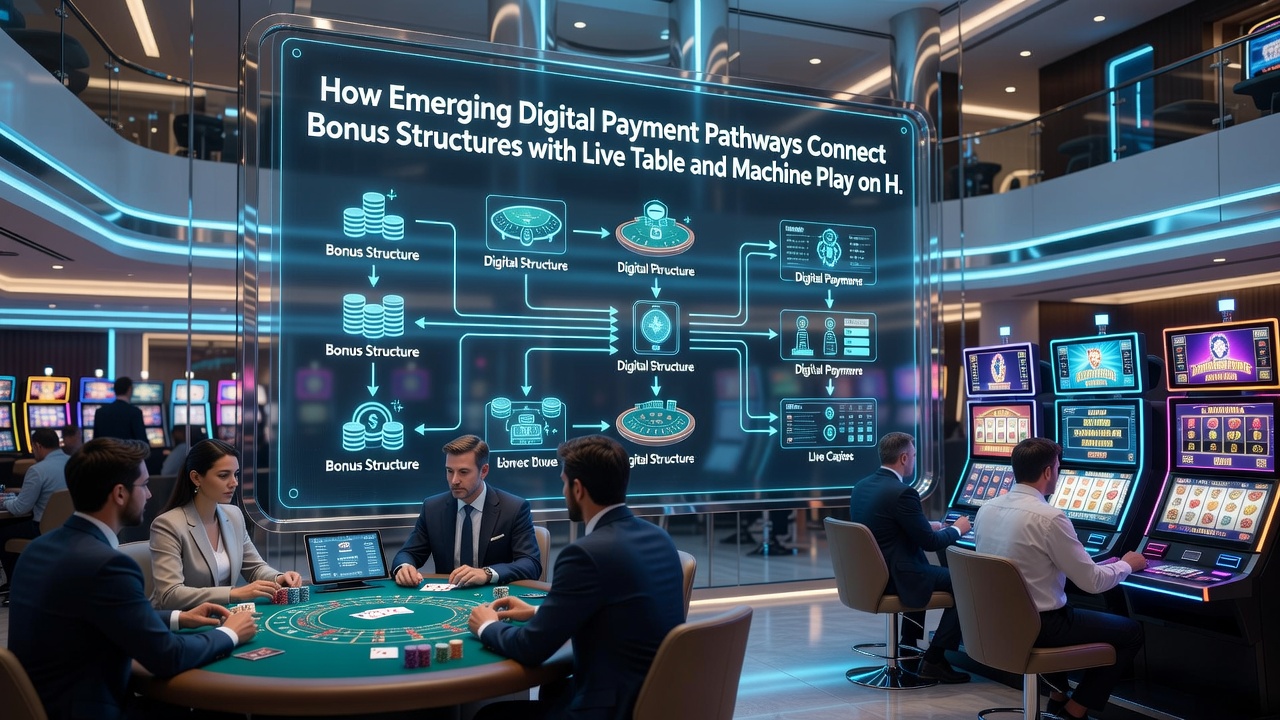
Machine Play and Cross-Game Bonus Mechanics
Slot and video machine titles on handheld devices incorporate the same payment pathways to activate bonus rounds or multiplier features tied to initial deposits. When a user funds an account via an emerging digital method, the system allocates credits that function identically whether applied to a live dealer blackjack table or a progressive jackpot machine. Reports compiled by the American Gaming Association indicate that this unified approach contributed to measurable growth in combined table and machine engagement on mobile during 2026, as players encountered fewer interruptions between game types.
Technical standards now require payment gateways to transmit metadata about bonus type and expiration alongside the funds themselves, ensuring that live table minimums and machine paylines both recognize the promotional overlay. Those who've examined transaction logs from multiple jurisdictions find that this metadata layer prevents mismatches that previously forced players to complete separate verification steps.
Regulatory and Security Considerations in 2026
Authorities in multiple regions continue to refine rules around these integrated systems, with emphasis on transaction auditing and player protection features embedded in the payment flow. Canadian provincial regulators, for instance, have required operators to maintain detailed records of how bonus structures interact with live and machine play on mobile, and similar frameworks appear in Australian state guidelines. Security protocols use encryption that covers both the funding step and the subsequent game state updates, reducing exposure during the brief window when credits move from wallet to active table or machine balance.
Industry groups such as the European Gaming and Betting Association have published technical notes on best practices for maintaining separation between payment data and game outcome generators, which helps preserve fairness across handheld platforms regardless of whether the session involves live dealers or automated reels.
Conclusion
The connections between emerging digital payment pathways, bonus structures, and handheld access to live tables plus machine games continue to evolve through standardized interfaces and regulatory oversight. These systems deliver coordinated funding and promotional mechanics that operate consistently across game categories, and ongoing technical refinements in 2026 support faster, more reliable sessions on portable devices while meeting compliance requirements in active markets.