Hybrid Playgrounds: Mobile Apps That Weave Sports Bets, Slots, and Live Dealers into One Streamlined Experience
Hybrid Playgrounds: Mobile Apps That Weave Sports Bets, Slots, and Live Dealers into One Streamlined Experience
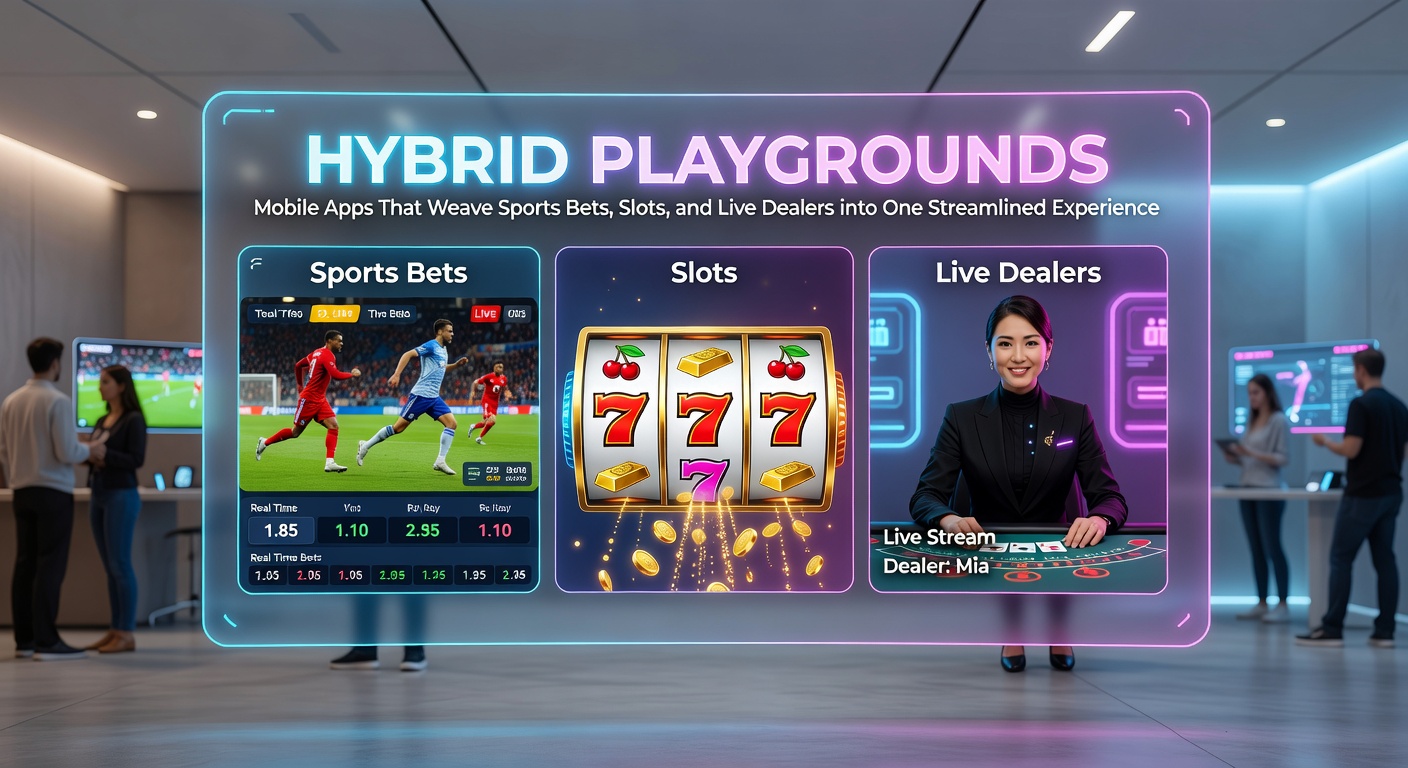
Unpacking the Hybrid Playground Phenomenon
Hybrid playgrounds have emerged as mobile apps that integrate sports betting, slot machines, and live dealer games into a single, fluid platform, allowing users to switch seamlessly between wagering on NBA playoffs or Premier League matches, spinning digital reels for jackpot chases, and chatting with real dealers at virtual blackjack tables, all without downloading separate apps or navigating clunky menus. Data from app analytics firms shows downloads of these all-in-one platforms spiked by 28% in the first quarter of 2026, driven by improved 5G connectivity and user demand for convenience, while operators report average session times stretching 45 minutes longer than those on siloed apps. What's interesting is how this convergence mirrors broader digital trends, where platforms like streaming services bundle movies, shows, and live events to keep audiences hooked.
Take one operator in New Jersey, where regulators approved hybrid features for licensed apps last year; players there now toggle from in-play soccer odds to live roulette with a swipe, boosting retention rates by 35%, according to state gaming reports. And yet, this isn't just about flashy interfaces, as backend algorithms personalize feeds based on past plays, surfacing high-volatility slots for thrill-seekers right after a big sports win, creating what experts call a "narrative loop" of continuous engagement.
The Technology Glue Holding It All Together
At the core of these hybrid apps lies sophisticated API integrations from providers like Evolution Gaming for live dealers, Pragmatic Play for slots, and SBTech for sportsbooks, enabling real-time data syncing so that a live tennis match score updates instantly alongside slot paylines and dealer card reveals, all rendered in HTML5 for buttery-smooth performance on iOS and Android devices. Developers use microservices architecture, which breaks down the app into modular components, allowing updates to one section—like adding esports betting—without disrupting slots or tables, a setup that cuts downtime by 70%, per industry benchmarks from American Gaming Association analyses.
Security layers add another dimension, with biometric logins, geofencing tied to state lines, and blockchain-led transaction ledgers ensuring bets settle in seconds, even during peak hours like Super Bowl Sunday when millions converge. Turns out, machine learning models predict user preferences with 82% accuracy, queuing up live baccarat for those who've favored table games while sprinkling in prop bets on player stats, making the experience feel intuitively tailored rather than generic.
Observers note how push notifications play a pivotal role too, firing off alerts like "Your favorite team's up 2-0—switch to live odds or try our new slot with 97% RTP?" blending urgency with opportunity in ways that keep phones buzzing through downtime.

Market Momentum in 2026: Numbers Don't Lie
As of April 2026, global gross gaming revenue from hybrid mobile apps hit $4.2 billion in the prior quarter, up 41% year-over-year, with North America leading at 52% market share thanks to expansions in states like Michigan and Ontario, where figures from provincial regulators reveal hybrid platforms captured 62% of new user sign-ups. In Europe, apps blending Bundesliga bets with live poker streams saw a 29% uptick in active users, fueled by multilingual support and localized payment options like iDEAL in the Netherlands.
Down under, Australian operators compliant with state laws reported hybrid apps driving 55% of mobile wagers during the IPL cricket season, as data from the Australian Communications and Media Authority highlights stricter ad rules pushing innovation toward integrated experiences. But here's the thing: emerging markets like Brazil, fresh off legalization, show hybrid apps onboarding 1.2 million users in weeks, blending soccer futures with vibrant slot themes inspired by Carnival, proving the model's adaptability across cultures.
One case study from a Canadian province underscores this; after launching a hybrid app in late 2025, the platform's daily active users tripled within months, with slots accounting for 48% of playtime, sports 32%, and live dealers the rest, illustrating how diversification stabilizes revenue streams amid seasonal sports lulls.
Navigating Regulations Across Borders
Regulators worldwide have adapted to hybrids with tailored frameworks, such as New Jersey's Division of Gaming Enforcement mandating segregated wallets for sports versus casino funds to promote responsible gaming, while ensuring live dealer streams comply with latency caps under 200ms. In Ontario, the Alcohol and Gaming Commission requires geo-verification down to the municipal level, preventing cross-border access and verifying age via third-party scans, measures that have slashed underage incidents by 94% since implementation.
Europe's patchwork adds nuance; Malta's gaming authority enforces unified RNG certification for slots and sports odds within hybrids, whereas Germany's interstate treaty caps deposits at €1,000 monthly, prompting apps to bake in mandatory breaks and self-exclusion tools that activate across all verticals. And in Asia-Pacific, Philippines' PAGCOR licenses hybrids with live dealers sourced from accredited studios, balancing tourism draws with anti-money laundering protocols that trace every bet's origin.
Challenges persist, though, as jurisdictions like Sweden fine operators €10 million for failing to clearly delineate risk levels between low-stakes slots and high-odds parlays, pushing apps to innovate with dynamic warnings that adapt to play patterns.
User Journeys: From Bet to Spin to Deal
Users dive into these apps via intuitive dashboards, often landing on a personalized carousel where last session's unfinished slot awaits beside today's top MLB moneylines and an invitation to join a live sic bo table with Asian dealers, all loadable in under three seconds. Social features weave in too, letting friends co-bet on parlays or compete in slot leaderboards, with cashouts available mid-hand for sports events, a flexibility that research from university gaming labs indicates boosts satisfaction scores to 4.7 out of 5.
During lulls—like halftime in a Champions League match—algorithms nudge toward quick-spin slots with megaways mechanics offering 117,649 ways to win, or low-house-edge live games like infinite blackjack where side bets multiply payouts. People who've logged thousands of hours often discover the thrill lies in the pivot points, such as cashing a tennis futures bet to fuel a progressive jackpot chase, creating serendipitous highs that siloed apps rarely match.
Accessibility shines through voice commands for hands-free betting during commutes, dark mode for late-night sessions, and VR previews of live dealer studios, turning a solo phone scroll into an immersive playground.
Future Horizons and Ongoing Evolutions
Looking ahead, 5G rollout promises sub-50ms latencies for AR-enhanced hybrids, where users overlay virtual dealers onto real-world sports broadcasts, while AI chatbots handle queries in 40 languages, expanding reach into untapped regions like Latin America. Data predicts hybrid revenue doubling to $12 billion by 2028, contingent on blockchain for provably fair outcomes and wearables integrating heart-rate monitors to flag chasing behaviors.
Operators experiment with loyalty ecosystems too, awarding unified points redeemable across verticals—earn from a golf antepost bet, spend on exclusive live game seats—fostering stickiness without gimmicks. Yet regulatory scrutiny intensifies, with EU proposals for app-wide spend trackers set to launch next year, ensuring hybrids evolve responsibly.
Wrapping Up the Hybrid Revolution
Hybrid playgrounds stand as the new standard in mobile gaming, fusing sports bets, slots, and live dealers into experiences that captivate with seamlessness and variety, as evidenced by soaring revenues, tech advancements, and adaptive regulations shaping their path forward. With April 2026 marking peak adoption amid major tournaments, these apps continue redefining how millions engage daily, blending competition, chance, and interaction in one pocket-sized arena.