Intersections of Promotion Strategies and Device-Based Entertainment Formats Within Encrypted Transaction Gambling Frameworks
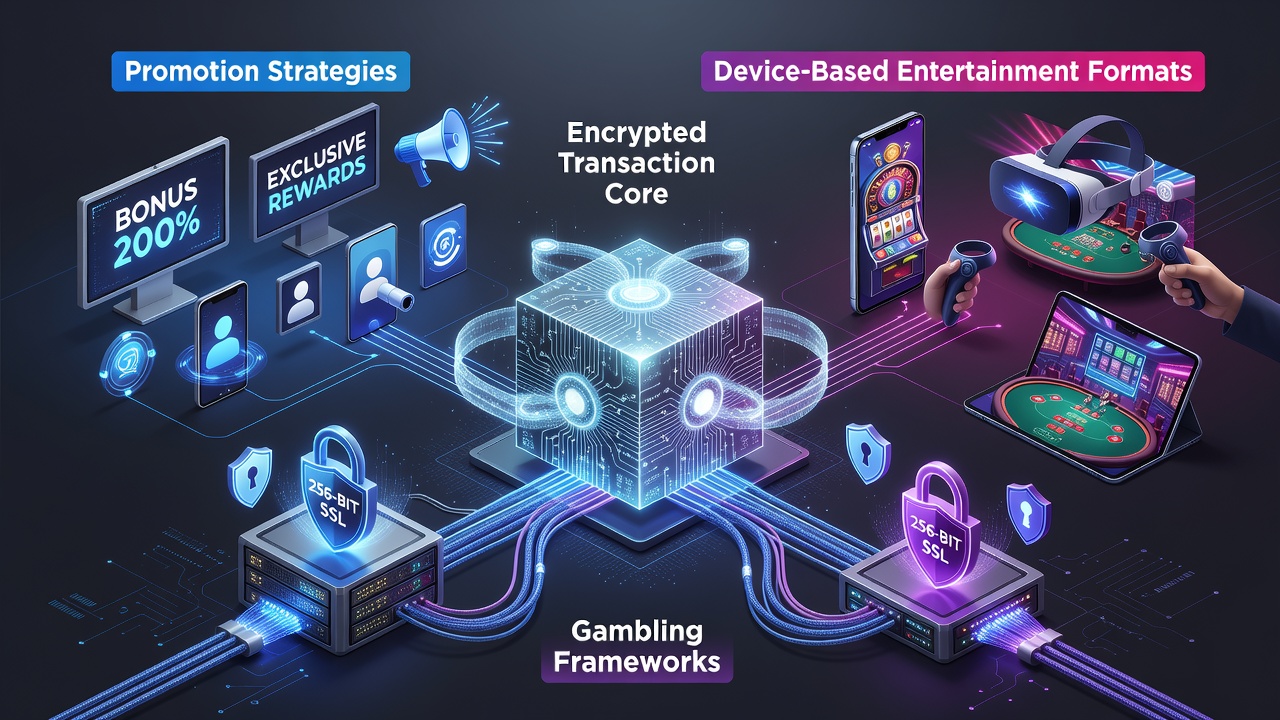
Promotion strategies in encrypted transaction gambling frameworks often align directly with device-based entertainment formats that run on smartphones and tablets, creating pathways for users to access slots, table games, and live dealer options through secure blockchain channels, and data from industry reports indicate these alignments have expanded steadily since 2024 as mobile penetration rates climbed above 78 percent in key markets.
Core Elements of Encrypted Transaction Systems
Encrypted transaction systems rely on blockchain protocols that record deposits and withdrawals without traditional banking intermediaries, which allows operators to deliver instant funding options tied to specific promotions such as deposit matches or free spin packages, and researchers at the University of Nevada Reno documented how these systems reduce processing times to under 30 seconds on average when users engage via dedicated mobile applications.
Device-based formats include progressive web apps and native software that support both portrait and landscape orientations while maintaining compatibility with hardware wallets for private key management, so users complete encrypted transfers and activate promotional rewards in the same session without leaving the interface.
Promotion Integration Across Mobile Platforms
Targeted promotions frequently appear as push notifications or in-app banners that trigger when a user opens a mobile gambling application, and these messages often highlight time-limited offers available exclusively through encrypted channels that support multiple cryptocurrencies including stablecoins, whereas operators track engagement metrics to refine which formats receive the highest allocation of bonus funds each month.
Device-Specific Entertainment Variations
Portable entertainment formats range from quick-play slot sessions optimized for single-hand use to full-screen live dealer streams that incorporate augmented overlays for real-time odds and promotional multipliers, and evidence from transaction logs shows that users on tablets tend to complete longer sessions when promotions include progressive jackpot contributions funded through encrypted micro-transactions.
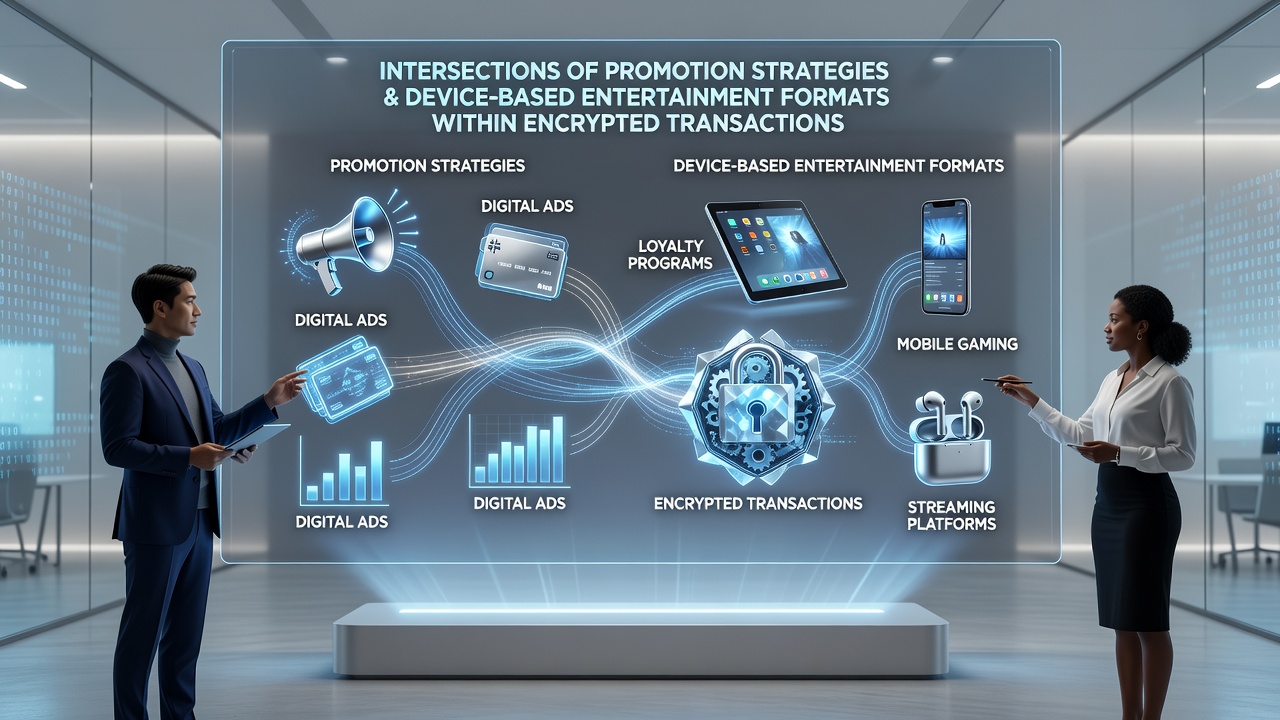
Operators adjust interface layouts based on screen size and operating system, which means iOS users may encounter different promotional sequences than Android users even when accessing the same encrypted backend, and analysts at the Canadian Gaming Association noted in mid-2025 that cross-device synchronization of bonus balances increased retention rates by measurable margins in tested jurisdictions.
Patterns Observed in July 2026 Data
During July 2026, aggregated figures from multiple platforms revealed that promotions linked to encrypted deposits on mobile devices accounted for a larger share of new account activations compared with desktop channels, while device-based entertainment formats such as instant-play table games received targeted reward structures that scaled with transaction volume, and this pattern emerged across regions where regulatory frameworks permitted cryptocurrency integration.
Those who monitor these intersections report that loyalty programs now embed device-specific tiers, granting higher bonus percentages to users who verify transactions through mobile biometric authentication combined with wallet signatures, and such systems create feedback loops where continued play on portable formats unlocks escalating promotional tiers without requiring separate account actions.
Regulatory and Infrastructure Considerations
Frameworks in various jurisdictions require operators to disclose how promotional terms apply to encrypted transactions conducted on mobile devices, which has led to standardized display elements within apps that list wagering requirements alongside transaction confirmation hashes, and reports from the Australian Communications and Media Authority highlight ongoing efforts to align these disclosures with consumer protection standards across different device ecosystems.
Infrastructure supporting these intersections continues to evolve through partnerships between software providers and blockchain networks that prioritize low-latency mobile connectivity, so promotional redemptions occur seamlessly whether a user switches between cellular and Wi-Fi networks during an active session.
Conclusion
Intersections between promotion strategies and device-based entertainment formats within encrypted transaction gambling frameworks continue to shape user pathways as mobile technology and blockchain capabilities advance in tandem, with data sets from 2026 illustrating consistent growth in integrated offerings that span multiple device types and transaction methods, and stakeholders across the sector maintain focus on compliance documentation and performance metrics that track these evolving alignments.