Regional Payment Processing Variations Shaping Reward Access Patterns Across Mobile-Enabled Betting Platforms
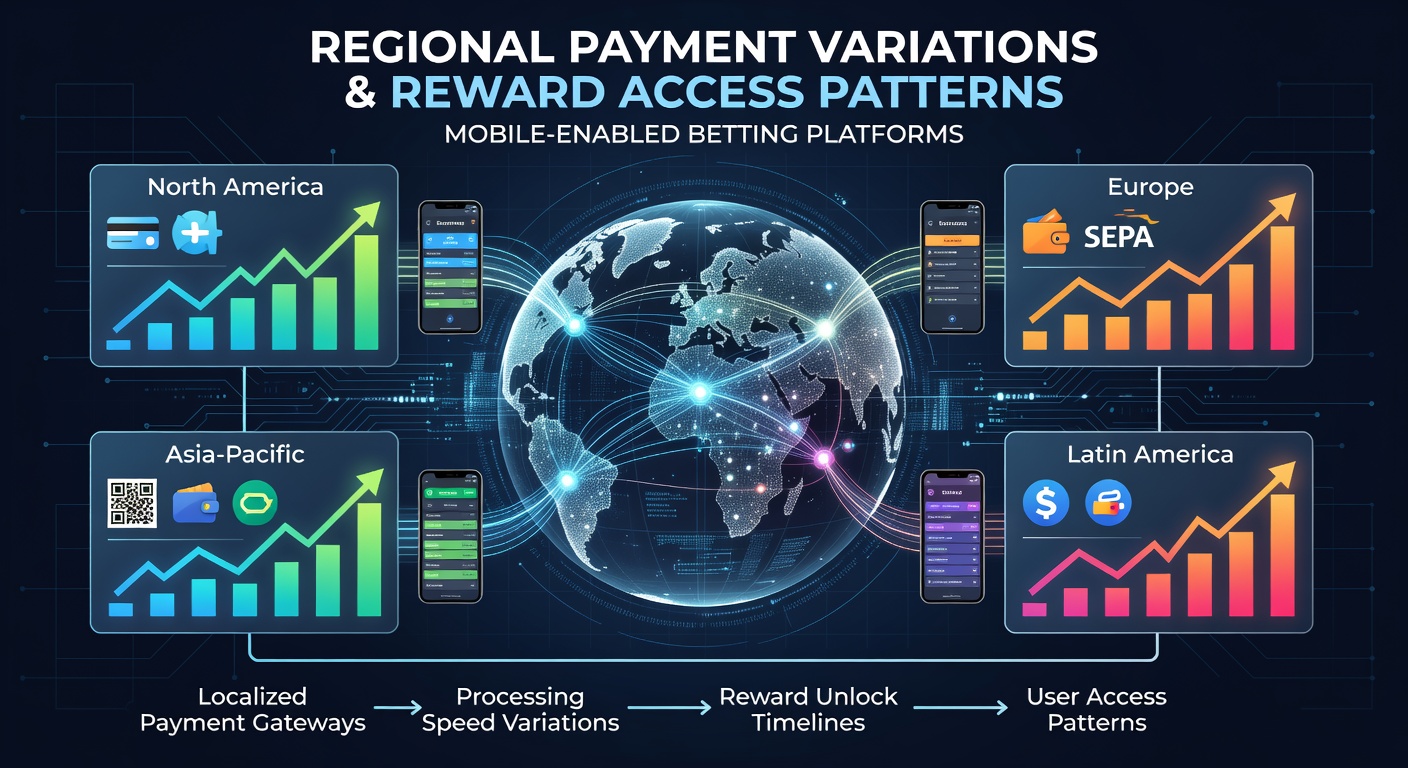
Payment processing rules differ sharply across regions and these differences directly influence how users access rewards on mobile betting platforms, from deposit bonuses to cashback credits and loyalty points that unlock through specific transaction methods. Regulatory frameworks in North America, Europe, Asia-Pacific, and other markets impose varying requirements on transaction speed, verification steps, and eligible funding sources, which in turn determine when and how reward balances become available for play or withdrawal. Data from industry reports shows that these variations create distinct access patterns, where users in one jurisdiction might receive instant reward credits while those in another face multi-day holds tied to banking approvals.
North American Regulatory Influences on Transaction Flows
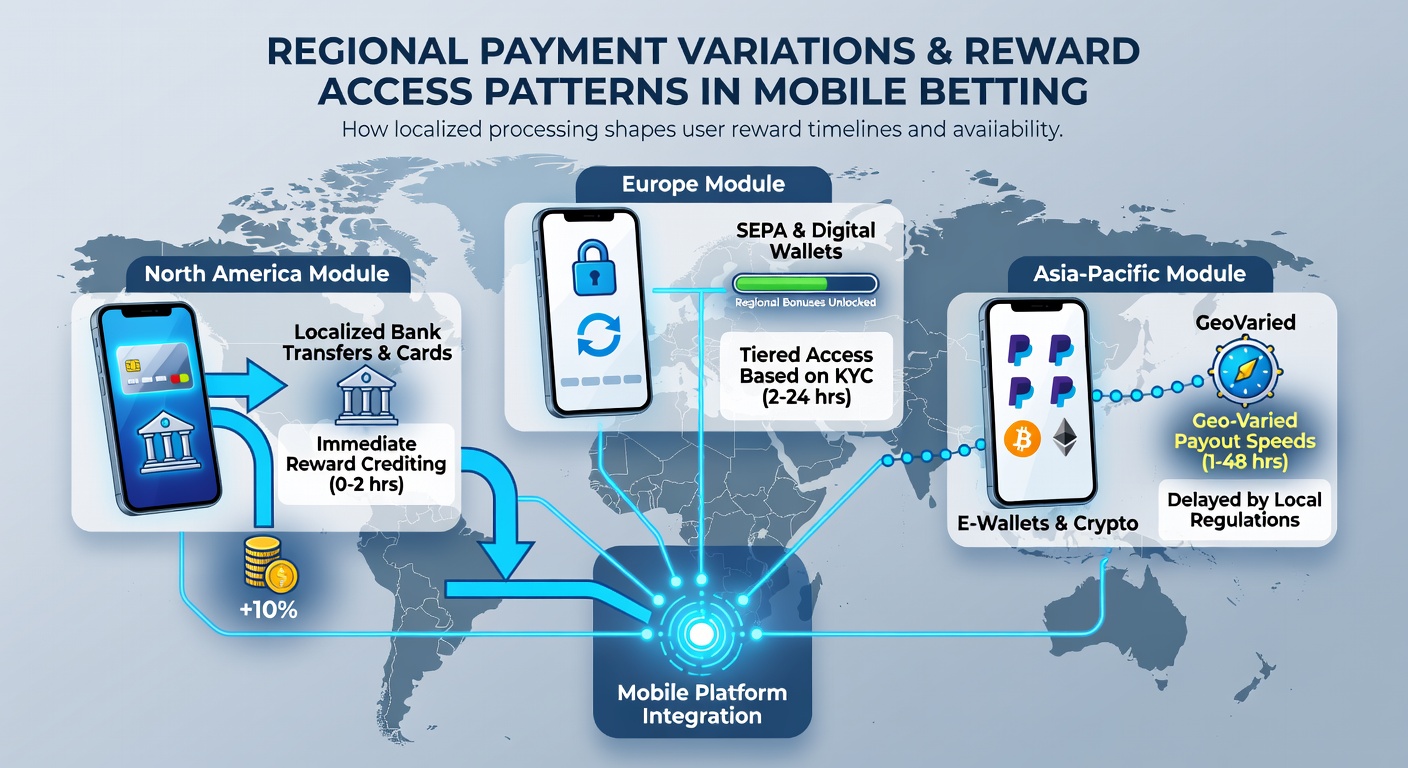
State-level banking restrictions in the United States continue to shape reward availability on mobile platforms, with many banks opting out of direct transfers to gambling operators under longstanding federal guidelines. Observers note that platforms operating in states like New Jersey and Pennsylvania often route payments through third-party processors or e-wallets to bypass these limits, which can delay reward crediting until the underlying deposit clears. According to figures from the American Gaming Association, online betting handle reached new highs in early 2026, yet reward redemption rates vary by state due to these processing differences. In Canada, provincial rules allow more flexible use of Interac and credit card channels, enabling faster reward activation on mobile apps compared to many U.S. markets.
European Payment Directives and Reward Timing
The European Union's revised payment services rules require strong customer authentication for digital transactions, which affects how quickly rewards post to user accounts on mobile betting apps. Platforms serving multiple EU countries must adapt interfaces to comply with local banking standards, and this compliance often means reward access depends on whether a user selects a SEPA transfer or an instant e-wallet option. Research indicates that jurisdictions with stricter anti-money laundering checks see longer verification windows before bonus funds become withdrawable, whereas markets with streamlined open banking protocols experience quicker reward integration. Those who track transaction data across borders find that reward utilization rates climb when platforms offer region-specific payment shortcuts that align with these directives.
Asia-Pacific Market Adaptations and Mobile Access Patterns
Payment ecosystems in Australia and parts of Southeast Asia rely heavily on local bank transfers and digital wallets, creating reward access timelines that differ from those in Western markets. Australian Transaction Reports and Analysis Centre guidelines mandate enhanced due diligence for larger transactions, so mobile platforms frequently hold reward credits until identity verification completes. In contrast, several Asian jurisdictions permit crypto-linked funding channels that bypass traditional banks entirely, allowing reward balances to appear almost immediately after deposit confirmation. One study revealed that platforms supporting multiple regional gateways report higher engagement with loyalty programs in areas where instant funding options reduce friction between deposit and reward activation.
How Processing Variations Drive Distinct Reward Behaviors
Users in regions with limited payment choices often concentrate reward activity around approved methods that guarantee faster crediting, while those with broader options experiment across channels to optimize access speed. Mobile platforms respond by displaying region-tailored payment menus that highlight the fastest routes to reward eligibility, and this customization produces measurable shifts in play patterns. Evidence suggests that June 2026 saw several platforms update their reward engines to account for new processor partnerships in emerging markets, reducing average time between deposit and bonus availability by noticeable margins. Reward access therefore becomes a function of both regulatory environment and the technical integrations operators maintain with local financial systems.
Conclusion
Regional payment processing rules establish the boundaries within which mobile betting platforms deliver and manage rewards, creating patterns of access that reflect local banking realities more than platform design alone. As operators continue refining their systems to match these variations, reward availability remains tied to the speed and compliance of underlying transaction channels across different jurisdictions.