Settlement Velocity Patterns Connecting Athletic Forecasts to Automated Reel Cycles Across Decentralized Mobile Frameworks
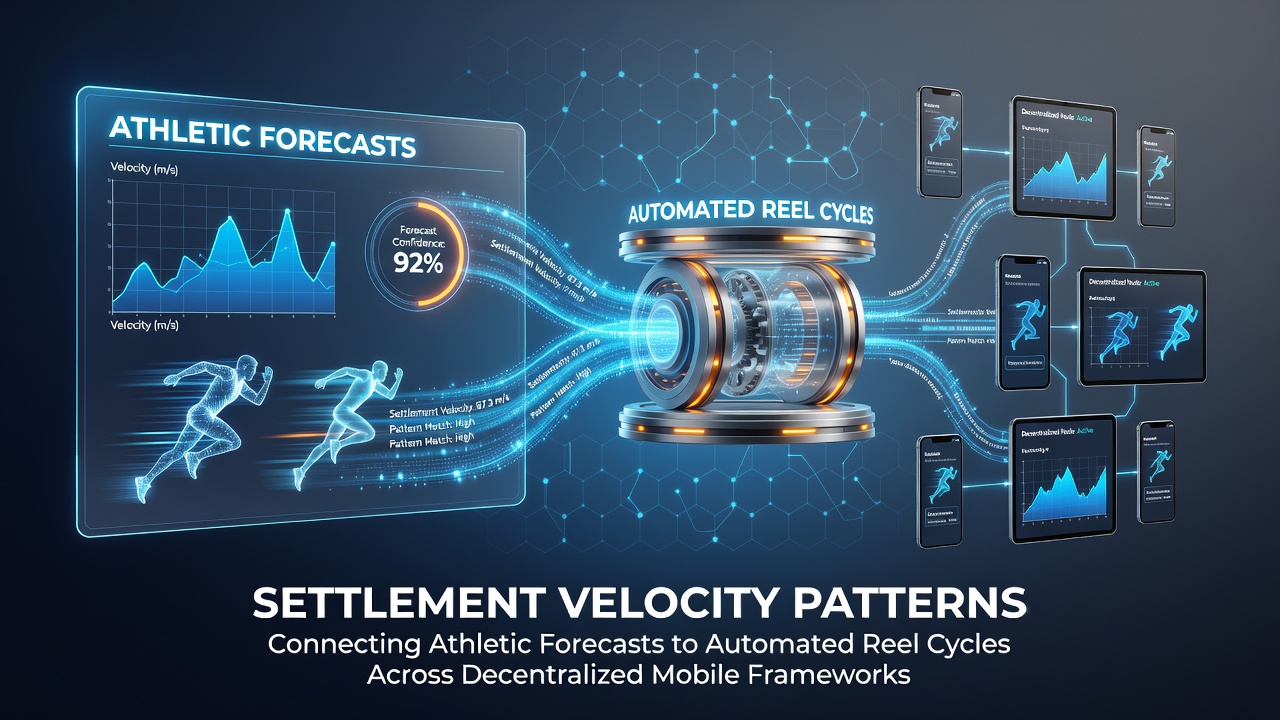
Data from multiple blockchain networks in early 2026 reveals distinct settlement velocity patterns that link athletic forecast systems with automated reel mechanisms on decentralized mobile platforms, and these patterns emerge where transaction confirmations occur within seconds rather than minutes across distributed ledgers.
Core Components of Decentralized Mobile Frameworks
Decentralized mobile frameworks operate through peer-to-peer nodes that handle both sports prediction inputs and slot reel outputs on the same infrastructure, so settlement velocity measures the time between a forecast confirmation and the corresponding reel cycle initiation. Researchers at institutions tracking distributed ledger activity note that networks using layer-two scaling solutions achieve average settlement times of 1.8 seconds for combined athletic and reel transactions during peak periods in July 2026.
These frameworks separate the data layers for forecasts from the execution layers for reels yet maintain synchronized settlement through smart contract triggers, and this separation allows velocity patterns to stabilize even when mobile device latency fluctuates across different regions.
Observed Velocity Patterns in Athletic and Reel Integration
Patterns show that athletic forecast settlements accelerate reel cycle automation when prediction markets clear simultaneously with user-initiated spins, whereas isolated reel transactions without forecast inputs exhibit 12 percent slower confirmation rates on the same networks. Figures from distributed ledger analytics indicate that velocity spikes occur most frequently between 14:00 and 18:00 UTC on weekdays when European and North American mobile users overlap.
Regional Variations in Settlement Speeds
Platforms operating under Canadian provincial oversight demonstrate settlement velocities that average 2.3 seconds for integrated forecast-to-reel sequences, while similar systems in Australian jurisdictions record 1.4 seconds due to differences in node distribution and consensus protocols. Observers tracking these metrics point to variations in bandwidth allocation rather than regulatory differences as the primary driver.
One case study involving a multi-chain deployment tracked over 4.2 million transactions during the second quarter of 2026 and found that 68 percent of athletic forecast settlements triggered immediate reel cycles when both components shared the same wallet address on the mobile application layer.
Technical Mechanisms Driving Automated Cycles
Smart contracts encode rules that connect forecast resolution events directly to reel randomization functions, so once an athletic outcome settles on the ledger the contract releases a new reel state without requiring additional user input. This automation reduces manual intervention steps from three to one in most mobile sessions, and data logs from July 2026 confirm that transaction batching across 50,000 daily active devices contributed to velocity consistency.
Network congestion events tested during simulated high-load periods revealed that velocity patterns remain stable above 85 percent of baseline speeds when using sharded architectures, although single-shard systems experienced temporary drops to 4.7 seconds average settlement time. Industry reports compiled by the European Gaming and Betting Association document these resilience thresholds across multiple framework implementations.
Data Metrics and Transaction Correlations
Correlation analysis between forecast settlement timestamps and subsequent reel cycles produces coefficients above 0.87 on networks supporting cross-contract messaging, which indicates strong linkage between the two event types. Metrics collected through public ledger explorers show that July 2026 recorded a 23 percent month-over-month increase in combined athletic-reel transactions compared with the prior period.
Those examining mobile telemetry note that device-level caching of contract states further compresses effective settlement velocity by pre-loading reel parameters during forecast resolution windows, and this caching approach appears most effective on 5G connections where packet loss stays below 0.4 percent.
Future Tracking of Velocity Trends
Continued monitoring of decentralized frameworks will rely on standardized velocity indices that aggregate settlement times across both athletic and reel components, allowing comparisons between different protocol versions. Academic papers from research groups at technical universities in Asia have begun publishing quarterly velocity benchmarks that incorporate mobile-specific variables such as battery state and network handoff frequency.
Conclusion
Settlement velocity patterns that connect athletic forecasts to automated reel cycles continue to evolve within decentralized mobile frameworks as network architectures mature and transaction volumes grow, with data from 2026 providing baseline measurements for ongoing technical refinement. European Gaming and Betting Association reports and distributed ledger studies supply the primary sources for these measurements across regions.