The Influence of Licensing Jurisdictions on Game Selection Diversity in Online Gambling Sites
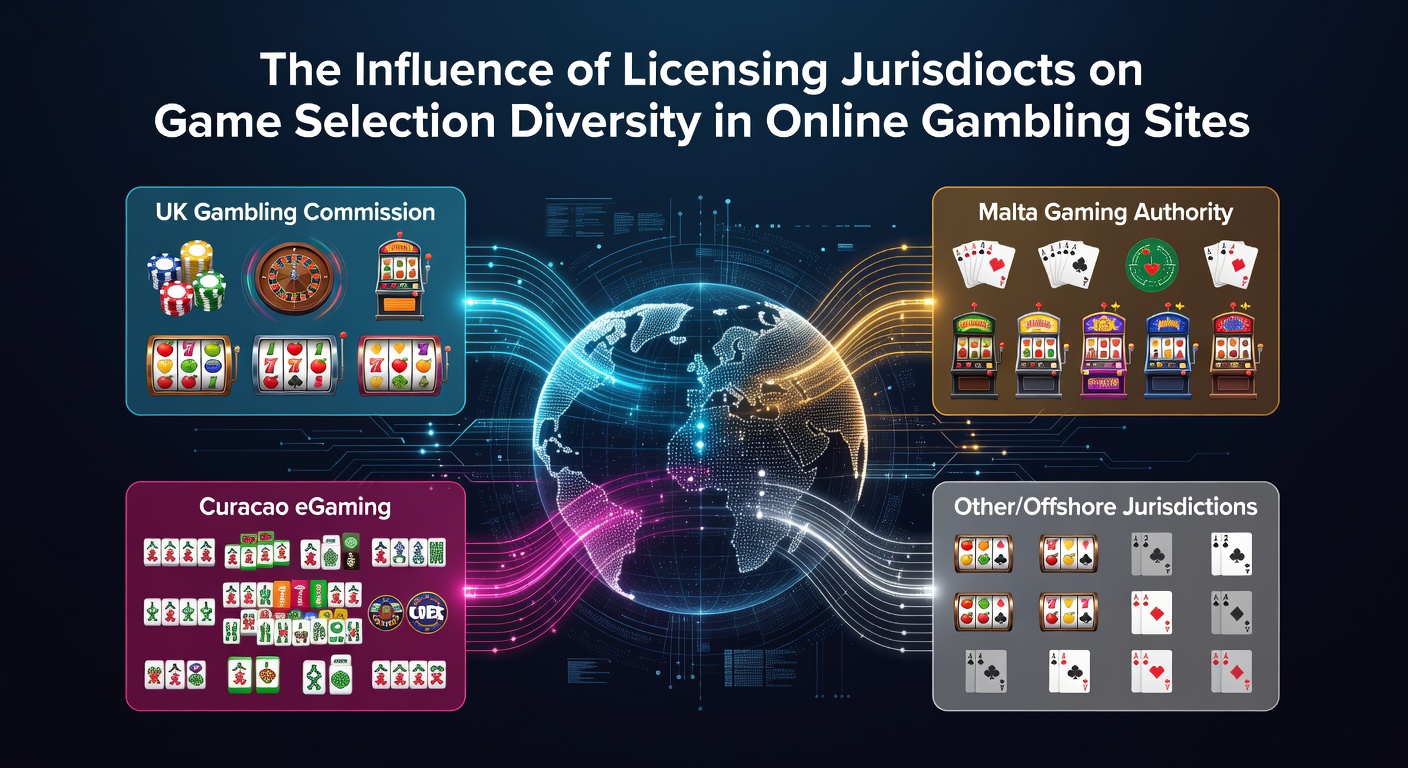
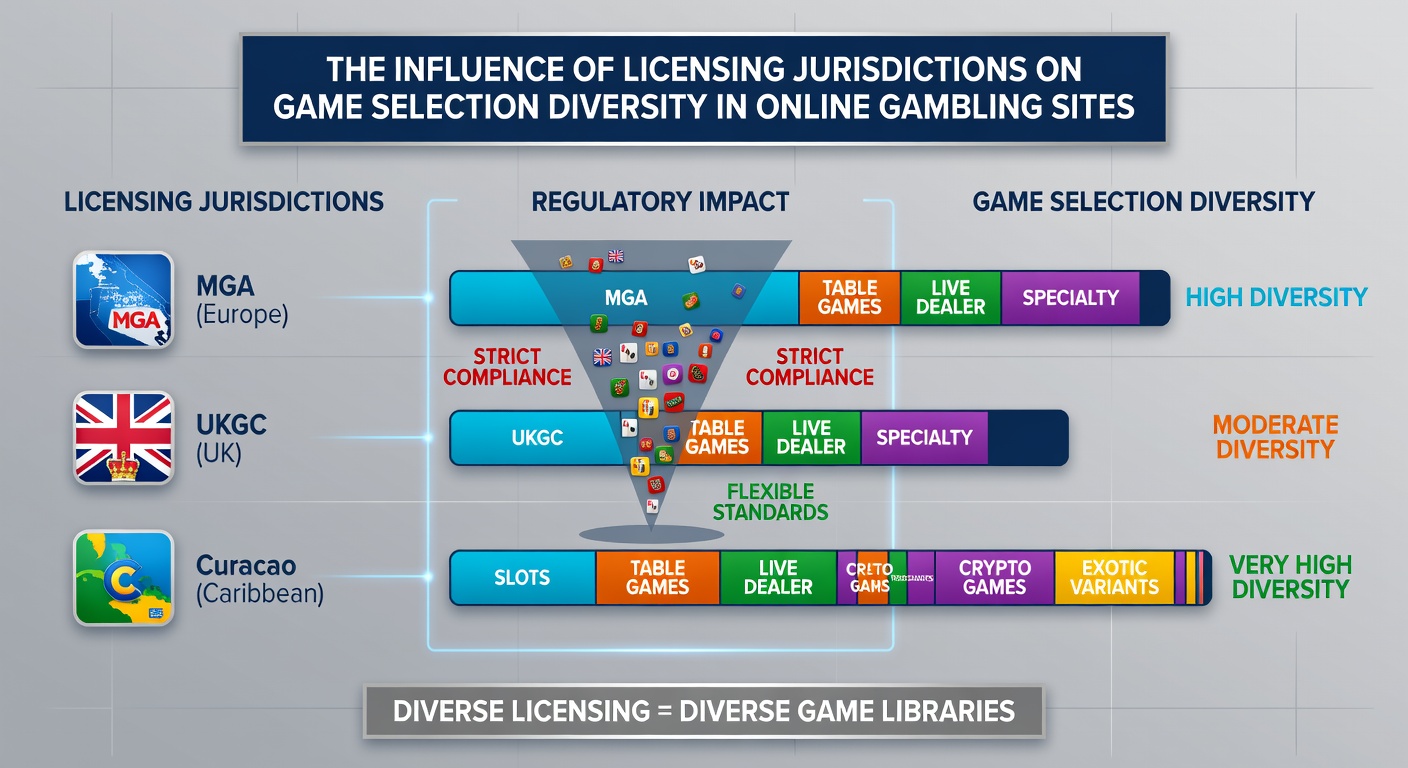
Licensing jurisdictions shape the range of games available on online gambling platforms through specific approval processes, technical standards, and content restrictions that operators must follow. Regulatory bodies in various regions set distinct requirements for software certification, game mechanics, and provider partnerships, which directly determine how many titles from different categories reach players.
Core Regulatory Mechanisms Across Jurisdictions
Each licensing authority maintains its own testing protocols and game classification rules that filter what appears in casino lobbies. Operators licensed in multiple areas often adjust their offerings to comply with the strictest standards among those jurisdictions, which can limit overall selection when one regulator imposes narrow categories. Data from the Alcohol and Gaming Commission of Ontario shows that sites serving Canadian players feature fewer progressive jackpot slots compared to platforms licensed elsewhere, because provincial rules require additional randomization audits before each title launches.
European regulators apply similar gatekeeping through centralized game registries, while certain US state bodies focus on player protection features that extend approval timelines. These differences create measurable gaps in diversity, with some markets offering hundreds more live dealer variants than others due to varying rules on dealer visibility and RNG integration.
Regional Differences in Game Category Approvals
Jurisdictions in the Asia-Pacific region tend to prioritize sports betting integrations alongside table games, whereas North American authorities often emphasize slot machine certifications with strict payout verification. Research from the International Association of Gaming Regulators indicates that platforms licensed under Australian state frameworks include broader selections of skill-based games, since those regulators permit hybrid mechanics that blend chance and player input without additional restrictions. In contrast, several Caribbean licensing bodies maintain simpler approval paths for classic slots and roulette, resulting in faster onboarding of new releases from major providers.
By May 2026, updates to certification requirements in multiple US states had begun aligning more closely with European standards for live casino streams, allowing operators to expand interactive dealer options without separate per-jurisdiction builds. This convergence has started narrowing previous gaps in selection for American players, though full parity remains limited by ongoing differences in advertising and bonus rules tied to each license.
Provider Partnerships and Market Access
Game developers must secure approvals from each target jurisdiction before their titles appear on licensed sites, which influences which studios prioritize certain markets. Smaller providers often focus on regulators with streamlined testing, such as those in the Isle of Man or Gibraltar, leading to higher concentrations of niche titles like branded video slots in those ecosystems. Larger studios distribute more widely but adapt content to meet local content guidelines, sometimes removing features like auto-play or certain bonus rounds to satisfy stricter oversight bodies.
Observers tracking industry reports note that operators holding licenses from both the New Jersey Division of Gaming Enforcement and Malta Gaming Authority typically maintain separate game libraries for each, because cross-border content rules prevent direct sharing of unapproved titles. This segmentation reduces overall diversity for users accessing a single platform while increasing the total number of unique games available across an operator's portfolio.
Effects on Emerging Game Formats
Virtual sports and crash games face particularly varied treatment depending on the licensing environment. Some regulators classify these formats under existing table game rules, accelerating their availability, while others require dedicated risk assessments that delay launches by months. Figures from industry analyses reveal that sites licensed in jurisdictions with clear virtual sports frameworks offer up to three times more such titles than those operating under older regulatory texts that lack specific categories for these products.
Blockchain-based provably fair games encounter even greater variation, with certain authorities mandating independent audits of smart contracts before integration. Platforms serving regions with supportive crypto regulations therefore display wider selections of these innovative formats compared to sites restricted to traditional RNG-certified content only.
Conclusion
Licensing jurisdictions continue to determine game selection diversity through approval processes, category definitions, and partnership requirements that differ by region. Operators respond by tailoring libraries to each license they hold, which creates distinct player experiences depending on the regulatory environment. As alignment efforts progress in 2026, some gaps have narrowed, yet fundamental differences in testing standards and content rules maintain varied levels of choice across markets.