Tracing the Evolution of Seamless Integration Between Chance-Based Machines and Athletic Wagering Within Cryptocurrency-Enabled Mobile Frameworks
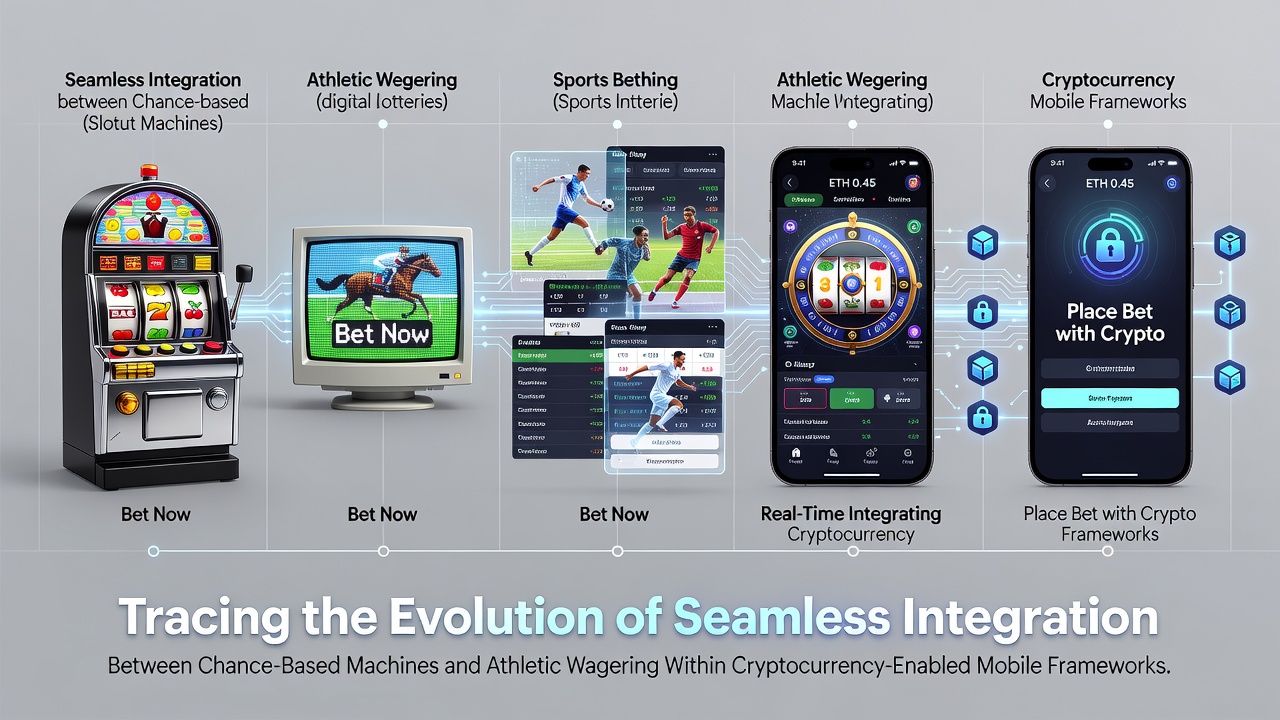
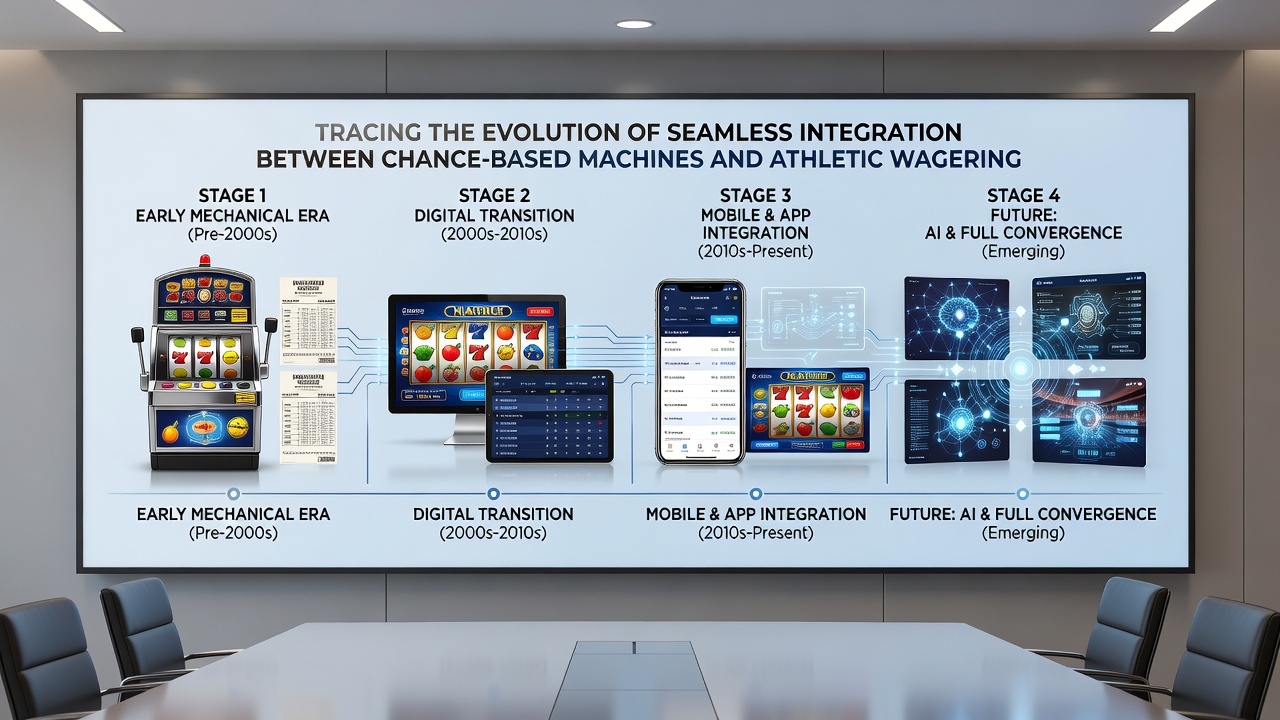
Chance-based machines and athletic wagering developed along separate tracks for decades before technology and regulatory shifts began pulling them together in digital spaces, and cryptocurrency mobile frameworks accelerated that convergence in noticeable ways by the mid-2020s. Early electronic slot systems operated in physical venues with fixed payout tables and mechanical reels, while sports books relied on odds compilers and manual settlement processes that stayed largely disconnected from random number generators used in gaming machines.
Early Digital Convergence Points
Online platforms in the late 1990s introduced teh first shared wallets for slots and sports products, yet users still switched between separate interfaces and funding methods, and transaction delays remained common until digital currencies offered instant ledger updates that removed banking intermediaries. Blockchain records allowed operators to log every spin outcome and wager settlement on immutable chains, which reduced disputes and gave regulators clearer audit trails without requiring centralized databases that often created bottlenecks during peak betting periods around major sporting events.
Technical Foundations in Mobile Environments
Mobile operating systems standardized app frameworks that supported real-time data feeds from both sports data providers and certified random number generators, so developers could embed both experiences inside single-session flows where a user might place a live football accumulator and immediately spin a themed slot round funded by the same cryptocurrency balance. Smart contracts automated bonus releases tied to specific outcomes, such as crediting free spins after a successful parlay or triggering cashback on net losses across both product verticals without manual intervention from support teams.
Observers note that integration depth increased once layer-two scaling solutions lowered gas fees on major networks, allowing micro-transactions that previously proved uneconomical on public blockchains. This change supported features like instant cash-out from slot winnings straight into an active sports bet slip, and the reverse direction when bet settlements funded additional machine credits within seconds rather than minutes.
Regulatory and Market Drivers Through 2026
Jurisdictions that licensed cryptocurrency gambling operators early saw faster product hybridization because clear rules around digital asset custody encouraged banks and payment processors to integrate with compliant platforms. Data compiled by the European Gaming and Betting Association shows licensed operators increased combined sports and slots revenue shares by double-digit percentages year-over-year once crypto deposits exceeded traditional methods in several markets. Meanwhile Australian regulatory filings indicate similar patterns where interactive gambling licenses expanded to cover unified mobile offerings that link random outcomes with event-based wagering.
June 2026 figures from multiple operators reveal continued growth in session lengths when users access both verticals without logging out or transferring balances, and these patterns align with improvements in cross-product loyalty mechanics that reward activity across chance-based and skill-influenced products equally. Payment rails built on stablecoins further reduced volatility concerns that once discouraged frequent small wagers, enabling seamless top-ups during live sports markets or extended slot sessions.
Case Examples of Platform Integration
One documented implementation combined live dealer tables with in-game prop bets on surrounding sports events, where slot symbols reflected ongoing match statistics in real time and triggered multiplier boosts when certain athletic milestones occurred. Another framework used oracle-fed data to adjust slot volatility dynamically based on sports betting volume, creating promotional periods where higher traffic in one area subsidized bonus features in the other without breaking separate regulatory RNG certification requirements.
These approaches rely on modular backend architectures that isolate each product's compliance controls while sharing user authentication layers and cryptocurrency wallets, and industry reports highlight reduced operational overhead once duplicate KYC processes and separate ledger systems were consolidated under unified crypto account structures.
Security and Transparency Enhancements
Provably fair mechanisms originally designed for slots extended naturally to sports settlement verification when hash chains published before events allowed independent confirmation of odds integrity after results posted. Mobile frameworks adopted the same verification tools so users could audit both random outcomes and market resolutions through single dashboard views rather than navigating multiple external explorers or third-party auditors.
Future Trajectory Indicators
Continued refinement of cross-chain interoperability protocols suggests operators will link additional networks without forcing users to manage multiple tokens, which should further flatten the experience between spinning reels and placing athletic wagers. Academic studies on user behavior in unified environments indicate sustained engagement when friction points around funding and product switching disappear, although long-term retention still depends on responsible gambling tooling that spans both verticals with consistent limit-setting and reality-check prompts.
Conclusion
The path from isolated mechanical machines and paper-based sports books to unified cryptocurrency mobile frameworks reflects successive layers of technological standardization, regulatory clarity, and user demand for reduced friction across entertainment verticals. Current implementations demonstrate that chance-based mechanics and athletic wagering can coexist within single sessions when shared ledgers, real-time data, and modular compliance systems align, and ongoing infrastructure improvements point toward even tighter coupling in subsequent platform generations.